Sleep: Gift or Optional Luxury?
(Part 1)
Do we truly value the gift of sleep, or do we treat it like an expendable luxury?
I’ve been pondering this for a while, especially as I’ve realized how much more progress I make toward my health goals when I’m consistently getting enough sleep. I often focus on eating healthier, exercising more, drinking enough water, and using the right essential oils, but one of the most powerful influences on our health seems to be the first thing I sacrifice when life gets crazy.
Even Scripture calls sleep a gift from God:
“It is in vain that you rise up early and go late to rest, eating the bread of anxious toil; for He gives to His beloved sleep.” — Psalm 127:2 (ESV)
If God Himself describes sleep as a necessary gift, why am I not protecting and prioritizing it more?
I recently read an interesting article discussing an interview with sleep scientist Matthew Walker, Ph.D., author of Why We Sleep. During the interview, Walker recounts the fascinating case of radio personality Peter Tripp, whose 1959 sleep-deprivation experiment revealed just how profoundly sleep deprivation can affect the human mind.
Deprivation or Delusion?
In 1959, Peter Tripp, a popular New York disc jockey, attempted to break the world record for staying awake. Broadcasting live from a glass booth in Times Square, he remained awake for 201 consecutive hours—just over eight days.
At first, he seemed tired but functional.
Then things began to unravel.
By the third day, Tripp was experiencing vivid hallucinations. He reportedly saw spiders crawling inside his shoes and imagined insects covering the room. As the days wore on, he became increasingly paranoid, convinced people were trying to poison him.
The cheerful, outgoing radio personality that friends and coworkers knew seemed to disappear. He became suspicious, argumentative, belligerent, and emotionally volatile. The psychiatrists monitoring him described his condition as psychotic.
Perhaps the most fascinating discovery came from monitoring his brain activity. Although Tripp was walking, talking, and interacting with people, portions of his brain were slipping into brief episodes of sleep!
During these moments—particularly when his brain entered REM sleep (while he was technically awake) his dreams spilled into reality, producing the frightening hallucinations he experienced.
After 201 hours without sleep, Tripp finally went to bed and slept for approximately 24 hours. When he awoke, the hallucinations and paranoia had largely disappeared, and he reported feeling normal again.
But those closest to him weren’t so sure.
His wife later said he was never quite the same. Friends and coworkers said his personality had changed. The friendly man they once knew seemed more irritable and difficult. His marriage eventually ended and conflicts at work cost him his job.
Researchers point out that it’s impossible to prove whether the sleep deprivation alone caused every long-term change in Tripp’s life. Human lives are complicated, and many factors can influence relationships and personality. Still, his story remains one of the most compelling illustrations of how deeply sleep affects the human brain.
Thankfully, most of us will never experience anything remotely close to eight days without sleep.
But here’s your friendly warning…
You don’t have to pull an all-nighter to experience problems.
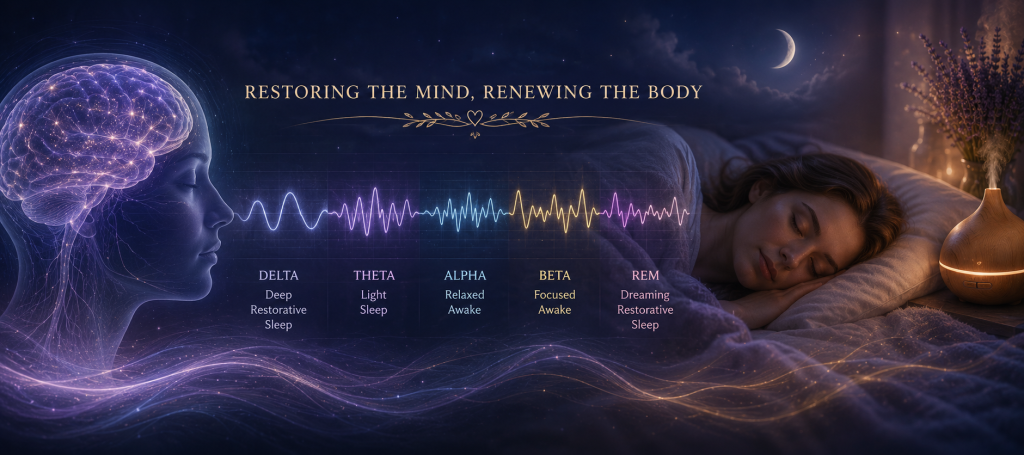
What Happens When We Simply Don’t Get Enough Sleep?
Most of us aren’t pulling all-nighters for a week straight.
Instead, we’re getting five or six hours of sleep night after night, year after year.
While the effects aren’t as dramatic as Peter Tripp’s, research shows that chronic sleep deprivation quietly chips away at nearly every system in the body.
Even after just one night of significantly restricted sleep, researchers have observed a measurable decrease in the activity of natural killer (NK) cells—specialized immune cells that help identify and destroy virus-infected cells and abnormal cells before they become a larger problem.
Sleep deprivation has also been associated with:
Increased inflammation throughout the body
Higher blood pressure
Reduced insulin sensitivity
Increased risk of type 2 diabetes
Greater risk of heart disease
Increased susceptibility to infections
Poorer memory and concentration
Slower reaction times
Increased anxiety and depression
Reduced emotional resilience
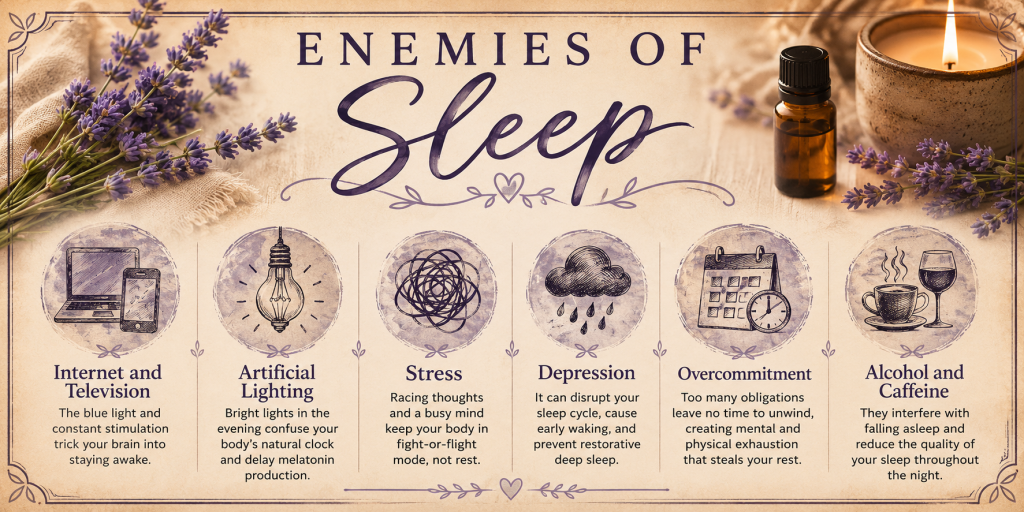
Have you ever noticed that after a poor night’s sleep you’re more likely to snap at your spouse, lose patience with your children, or feel overwhelmed by problems that normally wouldn’t bother you?
That’s not just because you’re tired.
Brain imaging studies show that when we’re sleep deprived, the emotional centers of the brain become far more reactive while the areas responsible for judgment, self-control, and rational decision-making become less effective. In other words, we literally become less equipped to respond wisely.
Sleep and Weight Loss
One area that has fascinated me is the relationship between sleep and weight.
For years I focused almost exclusively on food, supplements, and exercise, never realizing that inadequate sleep could quietly undermine both.
When you don’t get enough sleep, your body produces more of the hormone ghrelin, which increases hunger, while producing less leptin, the hormone that signals fullness. At the same time, insulin sensitivity decreases, cravings for sugary, high-calorie foods increase, and your body becomes more likely to store fat rather than burn it.
No wonder we’re reaching for sweets and carbs instead of the dumbbells after a restless night.
Sometimes what feels like a lack of willpower is really a body that’s simply exhausted.
A Word of Encouragement for Weary Parents
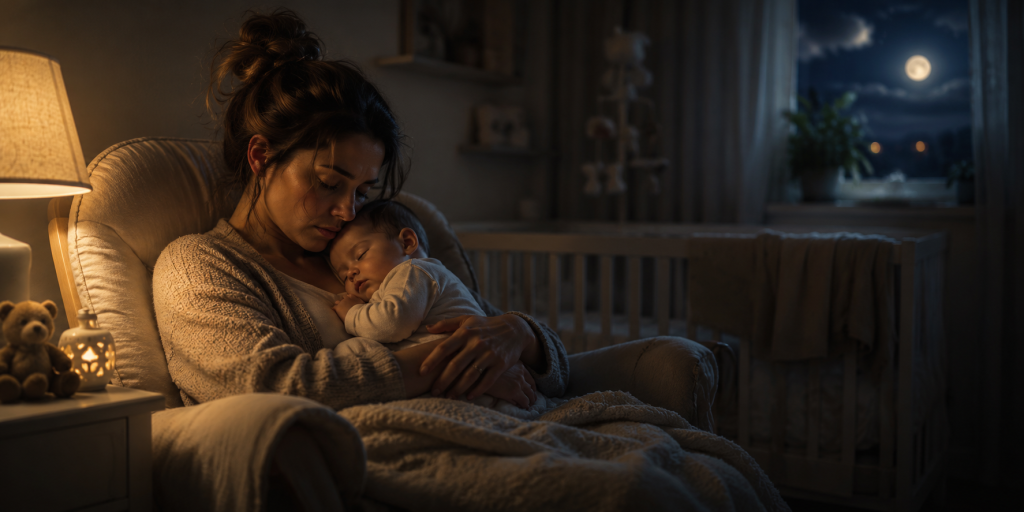
If you’re reading this while rocking a newborn at 2:00 a.m., pacing the floor with a teething baby, or caring for a loved one who genuinely needs you through the night, this isn’t meant to add another burden to your shoulders.
Some seasons of life simply require interrupted sleep.
The beautiful news is that our bodies are remarkably resilient. While sleep deprivation certainly takes a toll, God also designed us to endure temporary seasons of sacrifice. Mamas of newborns gradually recover as their little ones begin sleeping longer stretches, and the effects of those sleepless nights aren’t permanent.
The greater concern is when we continue sacrificing sleep long after we have the ability to protect it—staying up for one more episode, scrolling social media late into the night, or convincing ourselves that four or five hours is “just how I function.”
There is a huge difference between losing sleep because you’re lovingly caring for a child and losing sleep because we’ve forgotten that rest is one of God’s good gifts.
So if you’re in a demanding season, give yourself grace. Rest whenever you can. Accept help when it’s offered. And remember, this season won’t last forever.
If, on the other hand, you’re sacrificing sleep by habit rather than necessity, perhaps it’s time to reconsider what you’re giving up in exchange.
A Gift Worth Protecting
God designed our bodies with rhythms of work and rest.
Sleep isn’t wasted time. It isn’t laziness. And sacrificing it unnecessarily is not a virtue!
It’s one of God’s daily gifts—a built-in period of restoration during which our brains organize memories, our immune systems strengthen, our hormones rebalance, and our bodies repair the wear and tear of another day.
Maybe it’s time we stopped thinking of sleep as something we’ll get around to when life slows down.
Instead, let’s treat it like the priceless gift our Creator intended it to be.
In Part Two, we’ll look at practical, science-backed ways to improve your sleep naturally—from choosing relaxing essential oils to simple lifestyle changes that can make restful sleep far more attainable